

My Honest Secret to Finding Eco Friendly Dune Buggy Tours Dubai
My Honest Secret to Finding Eco Friendly Dune Buggy Tours Dubai
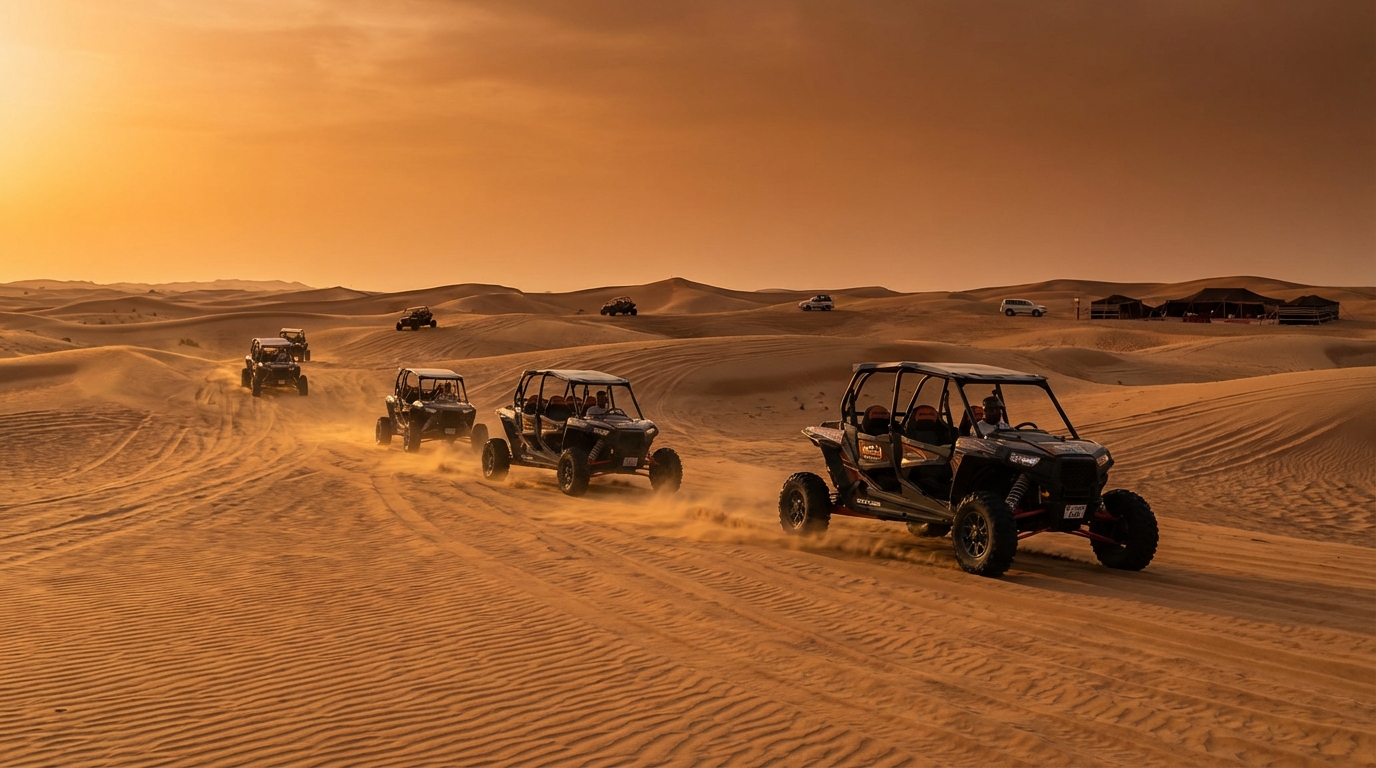
Three visits in, I finally figured out the timing. I learned which questions actually matter (I even once lost a booking because I missed one), which corridors are worth the drive, and the tiny trade‑offs that give you a lower‑impact, better day on the sand. Want cleaner dunes? Want better photos? This post walks through Dune Buggy Tours Dubai from pickup to photo stop, with real tips you can use before you click “book.”
Why eco-friendly matters (and what it looks like on the sand)
What “eco-friendly” actually means in a dune-buggy context
On the dunes, eco-friendly isn’t an adjective slapped on a website. It’s practical: a named corridor that avoids sensitive scrub, maintained vehicles that don’t leak oil or belch smoke, and guides who keep machines on approved lines. You’ll see it fast — fewer tyre scars scattered across a slope, cleaner camps, and a guide who politely insists everyone follow a single track instead of slicing across the plateau.
Small signals that show care
Watch for tiny things. A removable service placard on the buggy. A guide who asks you to queue and follow instead of racing. A team that carries oil‑absorbent pads in the recovery kit. Those practical cues beat a glossy “eco” badge every time.
Concrete scene: a careful launch
I once watched a guide walk the first 30 metres of a track, kneel and point to a shallow patch of brush, then radio the convoy to take a different line. The detour added two minutes. Worth it. The heat was a dry press on my skin and the sand whispered under our boots. No joke — that small choice left a strip of native grass intact that would otherwise have been shredded.
How to choose: 7 clarifying questions
1) Which corridor exactly will we use?
Ask for the corridor name — Lahbab, Al Marmoom, a RAK field or a specific GPS coordinate. If an operator answers only “Dubai dunes,” press for specifics. Corridor choice determines sand texture, transfer time, crowding and, frankly, your photo light.
2) Net dune time — how many minutes riding?
Net dune time is the minutes you actually spend riding on dunes, not including transfer. Compare offers by this metric rather than headline duration. A 6‑hour trip that gives you 30 minutes on dunes after a two‑hour round trip? Not great.
3) Are vehicles emissions‑controlled or newer models?
Newer engines tend to run cleaner and have fewer leaks. If an operator can tell you vehicle age range (e.g., 2018–2024) — that’s useful intel. Older, poorly serviced buggies will belch smoke and leave more of a footprint on the sand and in the air.
4) How does pickup work — zone or door-to-door?
Zone pickups can be cheaper, but they add stops and idling. Door‑to‑door saves time and reduces per‑person fuel burn. Sometimes spending an extra AED 50–100 on a direct pickup is the best low‑impact move you’ll make — and you’ll be on the sand sooner.
5) Do they rotate corridors or have a stewardship plan?
Genuine operators will talk about rotating lines, avoiding sensitive patches, or contributing to restoration projects. If they dodge the question, that’s a red flag.
6) What’s their rebook or cancel policy for wind?
Sand gets rough when wind picks up. Ask about rebook windows so you know how long they’ll hold a seat or offer alternatives. Safety comes first; transparency matters.
7) Do they offer small-group or private eco options?
Private, newer‑buggy options usually cost more but lower the per‑person impact. A private run also means less waiting and fewer vehicles on the same lines.
Where to find buggy rides and which corridor fits you
Lahbab Red Dunes — best for dramatic light
Lahbab gives that molten red sand photographers crave. It’s roughly 50–60 km from Downtown Dubai — expect a 45–60 minute drive from Sheikh Zayed Road or Dubai Marina depending on traffic. The colour is worth the trip, but plan for a slightly longer transfer if you want golden‑hour photos.
Al Marmoom — family and firm sand
Al Marmoom sits closer to the city and usually means shorter transfers, often 25–35 minutes from central Dubai. The sand is firmer so rides feel steadier — handy if you’ve got kids, older family members, or you just don’t want a bumpy start to the day.
RAK and Abu Dhabi launches — quieter lines
Corridors in RAK or parts of Abu Dhabi tend to be less busy and are ideal if you’re seeking a calmer ride. Transfers can be longer, though — sometimes 90 minutes or more from Dubai — so weigh the trade‑off.
What a responsible operator will show you on arrival
Vehicle checks in front of guests
A trustworthy team checks tyre pressures, recovery gear, and brakes while you watch. That transparency reduces surprises on long dunes and gives you peace of mind. You’ll hear tools clink, and maybe the faint smell of oil — but not the acrid plumes of a neglected engine.
Guide ID and safety paperwork
Ask to see the guide’s ID and a laminated safety checklist. When a guide shows credentials and a clear plan, most groups relax fast. It’s the little ritual that calms the room before the first run.
PPE and fit checks
Helmets and harnesses should be sized and adjusted openly. If a child fails a fit check, watch whether they offer a reasonable alternative — a supervised camp activity or a refund for the ride portion is common with reputable teams.
Packages, pricing and an eco-minded comparison table
How packages differ
Packages usually vary by transfer type (zone vs door‑to‑door), net ride length, private vs shared vehicle, and add‑ons like photography. Pick the one that fixes your main friction: timing, privacy, or photo needs. For example, families often find door‑to‑door worth the extra AED 150–300.
Why one well-chosen upgrade helps
Spending a bit more on direct pickup usually returns more dune minutes and less idling — that lowers both pollution and stress for your group. It’s a win for experience and impact.
Table: Quick package snapshot
| Package | Main inclusions | Eco note | Indicative Price (AED) |
|---|---|---|---|
| Shared Zone | Zone pickup, 30–45 min dune time, camp access | More stops; higher idling if shuttle is inefficient | 150–300 |
| Door-to-door family | Private pickup, 60+ min dune time, photos | Less overall travel time; lower per-person fuel | 300–600 |
| Private Eco-Focused | Newer buggies, corridor stewardship, carbon offset option | Operator actively reduces impact | 600+ |
What to pack and how to prepare (real-world tips)
Clothing and protection
Closed-toe shoes, light long sleeves, and a neck scarf cut dust exposure. Bring a small dry bag for your phone and a powerbank — the sun drains batteries fast when you’re shooting at golden hour. I keep a cheap pair of goggles in my kit; they save your eyes when wind picks up.
Camera safety
Use wrist or neck straps and keep electronics in sealed pouches between runs. If you hire a pro, they’ll often bring protective covers and a blower to keep sand out of lenses. That smell of coffee in the car? Keep your gear sealed — that aroma won’t help the camera.
On-the-ground hack
Save the guide’s WhatsApp and ask for a vehicle plate shot on the day of pickup — it removes most lobby confusion and keeps waiting minimal. Also, tell reception at your hotel roughly when you’ll be coming down; it cuts the last‑minute scramble.
Safety, training and environmental etiquette
Licensed guides and convoy rules
Licensed guides manage convoy spacing and set safe overtaking rules. Ask about their training and first‑aid provisioning. A calm convoy looks and feels different: steady engines, measured passes, and a leader who radios ahead before any tricky climb.
Stay on approved lines
Driving off‑route damages plants and speeds erosion. A genuine eco-minded tour won’t encourage cut‑throughs just to shave seconds off a run. Respect the signed lines and your guide — future visitors will thank you.
Leave no trace
Use provided bins, avoid disposable plastics, and take everything you brought back with you. The desert is quieter than the city; you’ll hear the sand move and the wind sing — it deserves to stay that way.
The trade-off: adventure intensity vs environmental care (balanced counterpoint)
High-thrill runs are fun but cost more to conserve
Fast, wide-sweep runs leave more visible impact on dunes and usually require larger recovery teams. If you’re after high‑adrenaline lines, expect mitigation measures to raise the price or restrict routes. So yes — a faster ride can mean a bigger footprint and a higher bill.
Slower, guided experiences preserve dunes
A measured route gives the landscape a chance to recover and supports natural regeneration. You’ll lose some speed but gain quieter wildlife moments, better photo light, and often a calmer experience overall. I’ve found a controlled fast run plus steady lines for the rest of the session balances both goals well.
How to choose based on values
Decide whether you want pure thrill or a lighter footprint. For many, one controlled fast run with the rest measured is the sweet spot — adrenaline and respect. That’s been my pick more than once.
Family bookings and accessibility
Ages and fit checks
Participation often depends on harness and seat fit rather than age alone. Bring accurate ages and any mobility notes when booking. I’ve had a four‑year‑old passed for a quiet seat after a careful fit check — it’s all about safety.
Child comfort options
Ask for lower‑slope practice runs, shaded camp seating, and a quiet corner for strollers or grandparents. Those small touches make the day far more enjoyable for everyone and keep younger kids smiling when the sun hits around 4:30 PM.
Accessibility and special needs
Tell reservations about mobility needs at least 24 hours ahead so staff can arrange closer pickups and step assistance. Many teams will shift a vehicle or provide a ramp if you ask in time.
Booking steps: how I lock clarity and cut surprises
Step 1 — Get a named corridor
Insist the voucher names the staging corridor or gives GPS coordinates. This habit saves time comparing offers and reduces last‑minute confusion at hotel lobbies.
Step 2 — Confirm net dune minutes
Ask how many minutes you’ll actually be on dunes after transfers. I always compare offers by usable dune minutes — it’s the only fair metric if you want value.
Step 3 — Request day-of contacts and a plate image
Save driver and guide WhatsApp and ask for a license‑plate picture on the day of the trip. These two simple steps cut lobby confusion dramatically. You’ll thank me when you’re not pacing the hotel foyer at pickup time.
Booking checklist table
| Item | Ask for |
|---|---|
| Corridor | Named corridor or GPS coordinates |
| Net time | Usable dune minutes (post-transfer) |
| Day-of contacts | Driver & guide WhatsApp + plate image |
Pricing: how to compare true value
Look beyond the headline
Cheap listings often omit transfers or photo fees. Calculate the door‑to‑door cost to compare fairly. That AED 150 package might balloon to AED 300 after you add pickup and photos.
Per-person vs per-vehicle math
Private vehicles can be more economical for groups when you split the cost and save time. That often reduces fuel per person and idling time, which helps the environment and your patience.
Ask about environmental fees or offsets
Some operators offer a modest offset or fund dune stewardship. If reducing impact matters, include those options in your comparison and ask how the money is used.
Photography: getting the shot without harming dunes
Timing and golden light
Plan a rim‑light crest run at golden hour rather than dozens of stop‑start photos that increase vehicle movement. A single well‑timed stop at sunset will often produce better images than repeated repositioning.
Hire a photographer or plan DIY carefully
A professional protects equipment from sand and knows where to position subjects without crossing fragile vegetation. Hiring one often saves lens cleaning and grief later.
Concrete scene: a memorable photo pause
Once, at about 17:46 on a late‑winter evening, my guide stopped on a small crest. The sun rim‑lit the dunes and a single tripod shot caught three generations laughing, with only one footprint visible. The light was warm; the air smelled faintly of diesel and roasted coffee from the camp stoves. Perfect.
Common problems and quick fixes on the day
Hidden extra transfer stops
If a shared shuttle tacks on extra stops, ask operations for a partial credit or whether a direct swap to a nearer pickup is possible — many will accommodate if you raise it quickly. Be polite, but firm.
Harness fit failures
If a child fails a fit check, reputable teams usually offer supervised camp activities and refund the riding portion. Confirm that policy before you pay and keep calm at the gate — it helps everyone.
Wind delays and rebook windows
When wind is high, rides can be delayed or cancelled. Ask up front about the operator’s rebook window so you know how long they’ll hold a seat or offer alternatives. It’s better to reschedule than get sandblasted and miserable.
How to spot greenwashing — a short guide
Vague phrases vs specific actions
Be wary of phrases like “eco‑friendly” with no follow up. Ask for corridor names, vehicle ages, maintenance logs, and examples of conservation practice. Specifics beat slogans.
Look for operational evidence
Real signs of stewardship include corridor rotation schedules, biodegradable camp supplies, and a willingness to show maintenance logs or describe a carbon‑offset program in detail. If they can’t or won’t explain, move on.
Tradeable skepticism
Ask direct questions and expect direct answers. If the response is evasive, assume marketing comes first and stewardship comes second — or not at all.
Related reading and resources
Want deeper case studies or the voucher checklist I used in field tests? Read these related posts for step‑by‑step examples:
FAQs — 15 practical answers
- 1. What is the best corridor for photos?
- Lahbab Red Dunes is famed for red tones and rim light. Book a timed crest run for golden‑hour portraits.
- 2. How do I know a tour is eco-friendly?
- Ask for the corridor name, vehicle ages, maintenance checks and whether the operator follows approved lines. Specifics matter more than broad claims.
- 3. Are dune buggies safe for beginners?
- Yes, if the operator provides a safety briefing, supervised practice laps and paced runs. Fit checks and helmets are essential.
- 4. What should families pack?
- Closed shoes, light long sleeves, a scarf for dust, sealed pouches for electronics and a small powerbank.
- 5. Can I ride at sunset?
- Yes; evening runs are popular for photos but can be busier. Consider an earlier or private slot if you want calmer dunes.
- 6. Is Al Marmoom better for families?
- Often yes: firmer sand and shorter transfers make Al Marmoom a practical family choice.
- 7. What if my child fails the harness fit?
- Reputable teams offer camp-only alternatives and usually refund the riding portion; confirm that policy before booking.
- 8. How much ride time is reasonable?
- A meaningful session usually offers 40–70 minutes of net dune time; less than 30 minutes can feel rushed after long transfers.
- 9. Can I request a conservation briefing?
- Yes. Many responsible operators will explain corridor stewardship and simple ways guests can reduce impact.
- 10. Will I get a vehicle plate photo before pickup?
- Good operators provide a plate photo and driver WhatsApp on the day of pickup to prevent lobby confusion.
- 11. Do tours offer carbon offset options?
- Some do. If reducing footprint matters, ask whether the operator offers a small offset fee or contributes to dune restoration.
- 12. How do I protect my camera gear?
- Use sealed pouches, straps and avoid changing lenses on-site. Consider hiring a professional photographer who brings protective covers.
- 13. What is the difference between zone and door-to-door pickups?
- Zone pickups are cheaper but add stops; door‑to‑door saves time and reduces idling, often lowering per‑person fuel use.
- 14. Are dune buggy tours available 24 hours booking?
- Many operators — including the reservations desk I used — offer 24‑hour booking and WhatsApp coordination to confirm details quickly.
- 15. Where can I get help confirming a clear voucher?
- If you want help verifying corridor names, dune minutes or day‑of coordination, contact reservations: phone +971 52 447 2719 or email [email protected].
All Categories
Recent Posts

Is the Desert Tour Abu Dhabi Safe for Seniors? My Honest Review