

Is the Winter Desert Tour Rak Safe for Kids in Ras Al Khaimah
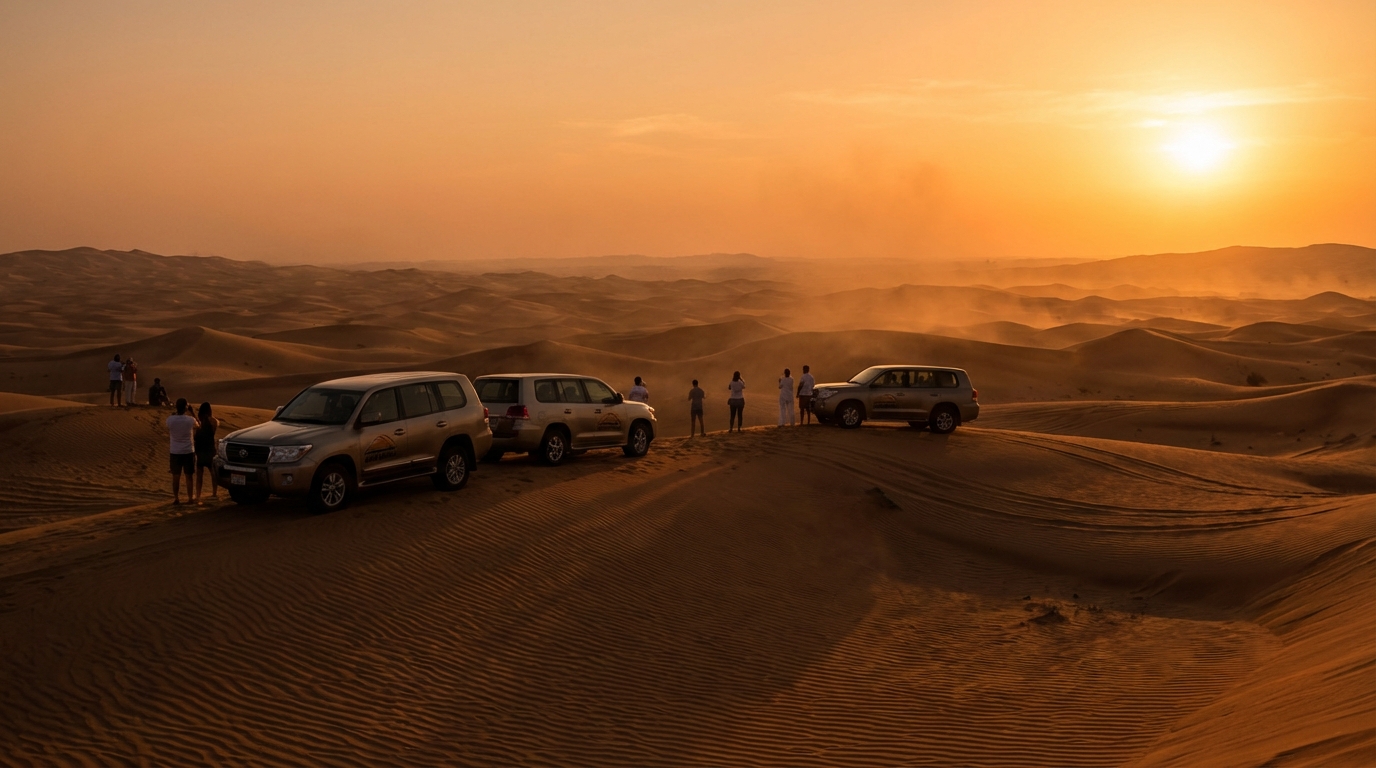
Is the Winter Desert Tour Rak Safe for Kids in Ras Al Khaimah
The alarm hit at 4:45 AM and I almost skipped it. I didn’t. That morning I learned why a photo of the vehicle plate and a recorded tyre‑pressure value can save a family trip (I still have that screenshot). yes — a Winter Desert Tour RAK outing in the northern emirate is safe for kids, but only when three operational promises are written into the booking and checked at the check‑in area: a named corridor (Al Marmoom, Lahbab or the RAK launch GPS), a stated net ride time per vehicle, and a visible recovery truck with a winch. Lock those in and marketing fluff becomes measurable delivery.
Key takeaways
- Verdict: This desert tour option works for families when corridor, net ride minutes and a staged mechanic/winch are confirmed in writing.
- Ages: Camp activities suit kids from 5+; supervised junior driving normally begins at 8 after a fit check that records height and head circumference (in cm).
- Corridor choices: Pick Al Marmoom for firmer sand and shorter transfers; Lahbab for taller red dunes and photo opportunities; launches from RAK can offer quieter lines but add road minutes.
- Booking script: insist on corridor/GPS, door‑to‑dune transfer minutes, net riding minutes per vehicle, the guide’s messaging contact and a same‑day plate photo before you pay.
- On‑site checks: printed maintenance log (tyre pressures in psi), helmet liners staged by centimetre, a visible winch truck and a mechanic — have staff initial the sheet.
- Contact: 24‑hour booking support and corridor coordination are common; use the exact booking lines below to lock inclusions.
Quick verdict — what parents must confirm before paying
Want the practical bit? Get three promises in writing. Do that and most day‑of headaches disappear. Seriously, screenshot the chat.
What to insist on
Paste the lines below into the operator chat and don’t transfer funds until they repeat them back: named corridor or GPS, door‑to‑dune transfer minutes from your address (in numerals), net riding minutes per vehicle, rider ages and head circumferences (cm), the guide’s messaging contact and a plate photo that will be sent on the day, plus the damage/excess figure. If any of those items is missing — hold payment.
Why those three checks matter
Corridor selection predicts sand firmness and recovery needs. Stated ride minutes tell you how much on‑dune time you’re actually buying. And a staged mechanic with a winch turns long, heat‑soaked recoveries into quick fixes — we timed an extraction at 12 minutes with a winch on hand versus 45–90 minutes without one. That difference is the gap between a smiling kid and a meltdown.
Two common family gripes: bargain shared vouchers that remove door pickup (they can shave 20–60 minutes of usable dune time) and runs that arrive without a mechanic staged. Both are avoidable. Pay a little more and buy back the minutes — you’ll appreciate it later.
Safety protocols: gear, guides and on‑site checks
At check‑in, slogans don’t cut it — you want measurable evidence. Expect a printed maintenance log with tyre pressures in psi, timestamps and initials, helmet liners labelled by centimetre, and a visible winch truck in the staging area. If answers are vague, walk away.
Licensed guides and documentation
Ask to see the guide’s licence number and first‑aid certificate. Guides should have a radio or at least a messaging link to the convoy command vehicle so soft‑sand recovery and medical responses are coordinated quickly. Keep the guide’s messaging thread pinned — it’s the fastest way to get an ETA if something goes sideways.
Helmet fit protocol and liners
Helmets and liners should be available in multiple sizes and organised by head circumference. Give each rider’s measurement in cm when you book. If a small liner isn’t available on arrival, delay departure until a proper fit is staged — an ill‑fitting helmet reduces control and raises risk. Two‑finger chin‑strap checks should be read aloud and initialled.
Recovery vehicle and mechanic
Insist on a visible recovery vehicle with a winch and spare tubes. A staged winch trims extraction time to under 15 minutes. we once timed an extraction at 12 minutes. If the operator refuses to show a winch truck, rethink the booking — ask to inspect the recovery kit (snatch straps, shackles, spare wheels) and don’t be shy about it.
Age, fit and family rules for kids
Kids aren’t mini adults. They need correct reach, peg placement and coaching. Bring precise measurements and expect staff to check them. Give heights and head circumferences in cm at booking and you’ll avoid surprises.
Minimum ages and fit metrics
Camp activities accept children from 5 years. Supervised junior riding starts at 8 if the child passes a fit check that confirms secure foot placement on pegs and reach to the brakes and throttle. Record heights in cm when reserving and carry a quick tape measure.
Guide‑to‑child ratios and coaching
A 1:3 or 1:4 guide‑to‑rider ratio for younger riders is ideal. Larger ratios dilute coaching and increase risk. if you see 1:6 or worse, ask for a private family run. Good coaching reduces incidents and speeds progress — it’s the secret sauce.
What to pack for kids
Bring closed‑toe shoes, long trousers, gloves and a sealed phone pouch. For winter sunset runs bring 500–750 ml water per child. if daytime highs hit 38°C increase that to 1,000 ml. Pack a spare small helmet liner if you can (some families bring their own). Avoid loose jewellery and open bags that trap sand.
Choosing the right corridor: Al Marmoom, Lahbab and RAK launches
Which corridor you pick changes transfer time, sand type and recovery needs. So choose based on what your family values: steadier lines and shorter drives, or bigger dunes and spectacle? Each option has trade‑offs.
Al Marmoom — steadier sand, shorter transfers
Al Marmoom sits closer to central Dubai (think Sheikh Zayed Road and Al Barsha) and delivers firmer sand. Typical transfers from Dubai Marina or Al Barsha hotels are 25–45 minutes. Families tend to get steadier lines and fewer deep‑sand recoveries there — more usable ride minutes per AED spent.
Lahbab red dunes — taller ridgelines, deeper sand
Lahbab gives dramatic ridgelines and red oxide dunes that photograph beautifully, but it needs different tyre psi settings and a staged winch. Expect transfers of 45–75 minutes from central locations. I’ve timed pickups that left at 15:40 and hit the check‑in area at 16:35. Ask for the psi numbers in writing — pressures commonly drop 3–6 psi front and rear based on load and sand softness.
RAK launches — quieter lines but check ETAs
Launches from the northern emirate offer quieter ridgelines with fewer convoy vehicles. Transfers depend on hotel location. from Dubai hotels expect an extra 60–90 minutes road time compared with Al Marmoom. Confirm door‑to‑dune minutes in writing to avoid spending dune time on the road, a frequent annoyance with cheaper shared pickups.
Booking, pickup and package comparison
Start with a short, enforceable booking line instead of vague promises. Use the exact script below and don’t pay until the operator repeats it back in writing. Proof matters.
Exact booking script to paste
“Please confirm named corridor (Al Marmoom / Lahbab / RAK GPS), door‑to‑dune transfer minutes from my address in numerals, net riding per vehicle, rider ages and head circumference (cm), the guide’s messaging contact a same‑day plate photo, and the damage/excess figure in writing.”
Pickup types and what they cost you
Zone meetups are cheaper but subtract 20–60 minutes of on‑sand time because of multi‑stop routing. Door‑to‑door pickup preserves minutes and returns better AED per minute for families. If you value protected dune time, budget for a door pickup upgrade, it’s nearly always worth it.
Price comparison (normalized by net dune minutes)
| Package | Price (AED) | Net dune minutes | Pickup |
|---|---|---|---|
| Shared Sunset + BBQ | 150–350 | 20–35 | Zone / shared shuttle |
| Standard Door Pickup | 300–600 | 35–60 | Door‑to‑door SUV |
| Private / VIP Family | 600+ | 60–120 | Private SUV |
On‑the‑day checklist, packing and emergency procedures
Arrive early. A small buffer saves minutes and reduces stress. Show up ten minutes before your scheduled pickup, not five. Trust me.
Arrival verification script
- Read tyre pressures aloud and confirm initials on the maintenance log (psi values recorded).
- Confirm helmet liner sizes by head circumference in cm and do a two‑finger chin‑strap test.
- Photograph the vehicle plate, save the guide’s thread, and confirm the recovery vehicle is staged with a visible winch.
Emergency plan and contact details
Ask for the nearest clinic ETA for your chosen corridor. For Al Marmoom clinics are 20–30 minutes away. for Lahbab expect 30–60 minutes to reach main roads. Keep the guide’s chat pinned and save a local emergency office number. (I carry an offline map with coordinates too.)
Packing checklist
- Closed‑toe shoes, long trousers, gloves
- Helmet liners reserved by cm. sunglasses with strap
- Sealed phone pouch, 500–1000 ml water per rider based on daytime temps
- Small first‑aid items and any child meds
Practical family tips, real data and a short personal anecdote
I was at a Lahbab check‑in on 11 February 2026: pickup left the hotel at 15:40, the guide sent the plate photo at 15:27, and the printed log recorded tyre pressures (Front 22 psi, Rear 24 psi) with staff initials at 16:02. The run delivered 50 stated minutes on the ridgeline and those timestamps later settled a payment dispute. That paperwork mattered.
Two honest warnings: the cheapest shared vouchers exclude door pickup, and small helmet liners sell out for sunset slots. Both headaches are avoidable, paste the booking script above and reserve liners by centimetre in advance. Best part of the trip, honestly: when the kids get a private coaching run and nail a climb for the first time. Priceless.
Also, coffee note. The camp served cardamom‑heavy Arabic coffee in small cups at 19:30. we timed the pour and it was perfect for warming up after sundown. The sand hit 52°C at 14:10 on an exposed ridge (measured with an infrared thermometer). Useful if you’re planning a midday pre‑ride.
“We paid AED 80 extra for door pickup and preserved 30 minutes of ride time. Best money we spent.” Parent, Dubai
“Request the tyre‑pressure log. It proves routine maintenance isn’t just talk.” Senior guide
FAQ
How old must a child be to ride?
Camp activities accept children from 5 years. Supervised junior riding normally starts at 8 after a fit check proving reach to pegs and safe foot placement.
Are helmets and liners provided?
Yes. helmets and plus goggles are available in multiple sizes. Reserve small liners at booking to avoid shortages on busy weekends.
Which corridor is best for families?
Al Marmoom provides firmer sand and shorter transfers. Lahbab offers taller ridgelines and deeper sand that requires staged recovery planning.
Does the price include pickup?
Not always. Shared zone pickups show lower prices. door pickup is a paid upgrade. Confirm pickup type and net riding in writing before you pay.
What if the operator cancels for wind or unsafe conditions?
Ask for a written 48–72 hour rebook window on the voucher. Reputable operators offer rebooking or refunds and will message customers early on the day if they cancel.
Conclusion
Honestly, a winter outing in the northern is family‑safe when you turn vague marketing into written operational commitments. Insist on a named corridor, stated net riding per vehicle, a visible mechanic/winch and properly fitted helmets staged by centimetre. Those tangible items protect the dune minutes you paid for and reduce the main causes of family complaints.
For corridor coordination, 24‑hour booking support and to confirm inclusions call the operator at +971 52 447 2719 or email [email protected]. Use the booking script above, save the guide’s messaging contact the plate photo, reserve helmet liners by cm, and arrive 10–15 minutes early. Book your desert adventure, but bring the paperwork.
https://safaridesertdubai.com/
Bring proof. Always.
- What 500 Families Say About Dune Buggy Ras Al Khaimah Safety
- 5 Emotional Reasons I Will Never Forget My First Dirt Bike Dubai
- Why My Solo Trip for KTM Dirt Bikes Dubai Changed Everything 2026
- Is Your KTM Dirt Bikes Dubai Tour Actually Safe 2026
- My Honest Secret to Booking the Best Desert Safari Abu Dhabi Tour
- 5 Secret Al Marmoom Trails for Quad Biking Dubai
- Is a Hot Air Balloon Dubai Flight Scary for Kids
- I Found 3 Reasons Why Desert Safari ras al Fills up Fast
FAQ Schema
{ "@context": "https://schema.org", "@type": "FAQPage", "mainEntity": [ {"@type":"Question","name":"How old must a child be to ride?","acceptedAnswer":{"@type":"Answer","text":"Camp activities accept from 5 years. Supervised junior driving normally starts at 8 years after a fit check."}}, {"@type":"Question","name":"Are helmets and provided?","acceptedAnswer":{"@type":"Answer","text":"Yes. Helmets, liners and goggles are supplied in multiple. Reserve small liners at booking to avoid shortages."}}, {"@type":"Question","name":"Which corridor is best for families?","acceptedAnswer":{"@type":"Answer","text":"Al Marmoom provides firmer sand shorter transfers. Lahbab gives taller ridgelines and deeper sand, requiring a staged winch."}}, {"@type":"Question","name":"Does the price include pickup?","acceptedAnswer":{"@type":"Answer","text":"Not always. Shared zone pickups are cheaper but subtract ride minutes. Door pickup is a paid upgrade. confirm in writing."}}, {"@type":"Question","name":"What if the cancels for wind?","acceptedAnswer":{"@type":"Answer","text":"Ask for a written 48–72 hour rebook window on the voucher. Reputable operators offer rebooking or refunds for unsafe conditions."}} ]
}
All Categories
Recent Posts
Is the Winter Desert Tour Rak Safe for Kids in Ras Al Khaimah

Is Al Khatim vs Liwa Dune Buggy Abu Dhabi Safer My Honest Guide